Scaffolding Vertical Pipe – Strong Structural Support for Construction Systems
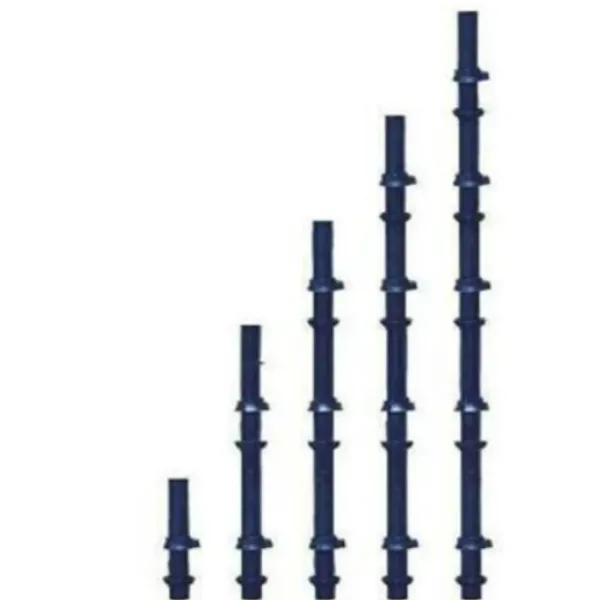
Scaffolding Vertical Pipe, also known as a standard or upright, is a primary load-bearing component used in scaffolding systems across construction, infrastructure, and industrial projects. It forms the vertical framework of the scaffold structure, supporting horizontal members such as ledgers and transoms while transferring the load safely to the ground.
Manufactured from high-quality mild steel or galvanized steel, scaffolding vertical pipes are designed to provide excellent strength, durability, and load-bearing capacity. These pipes are produced as per industry standards to ensure uniform diameter, thickness, and straightness for safe installation. In Cuplock systems, vertical pipes are fitted with bottom cups and movable top cups at regular intervals, allowing quick and secure locking of horizontal members.
Scaffolding vertical pipes are available in different lengths and thicknesses depending on project requirements. Common sizes include 48.3 mm outer diameter pipes, widely used in both Cuplock and conventional scaffolding systems. The pipes are often hot-dip galvanized or powder-coated to protect against rust and corrosion, making them suitable for outdoor and long-term applications.
These vertical pipes are widely used in building construction, bridge work, industrial maintenance, power plants, refineries, and infrastructure development. Their robust design ensures structural stability, high load resistance, and safety during work at heights.
When selecting scaffolding vertical pipes, it is important to consider wall thickness, material grade, load capacity, surface finish, and compliance with safety standards. Proper installation and regular inspection further enhance performance and ensure worker safety.
Scaffolding Vertical Pipe, also known as a standard or upright, is a primary load-bearing component used in scaffolding systems across construction, infrastructure, and industrial projects. It forms the vertical framework of the scaffold structure, supporting horizontal members such as ledgers and transoms while transferring the load safely to the ground.
Manufactured from high-quality mild steel or galvanized steel, scaffolding vertical pipes are designed to provide excellent strength, durability, and load-bearing capacity. These pipes are produced as per industry standards to ensure uniform diameter, thickness, and straightness for safe installation. In Cuplock systems, vertical pipes are fitted with bottom cups and movable top cups at regular intervals, allowing quick and secure locking of horizontal members.
Scaffolding vertical pipes are available in different lengths and thicknesses depending on project requirements. Common sizes include 48.3 mm outer diameter pipes, widely used in both Cuplock and conventional scaffolding systems. The pipes are often hot-dip galvanized or powder-coated to protect against rust and corrosion, making them suitable for outdoor and long-term applications.
These vertical pipes are widely used in building construction, bridge work, industrial maintenance, power plants, refineries, and infrastructure development. Their robust design ensures structural stability, high load resistance, and safety during work at heights.
When selecting scaffolding vertical pipes, it is important to consider wall thickness, material grade, load capacity, surface finish, and compliance with safety standards. Proper installation and regular inspection further enhance performance and ensure worker safety.
Keywords